
Artificial Intelligence in Health and Medicine
by Lucy Burkitt-Gray, MA (Cantab), PhD GradStat, Lead Data Analyst for UK Biobank
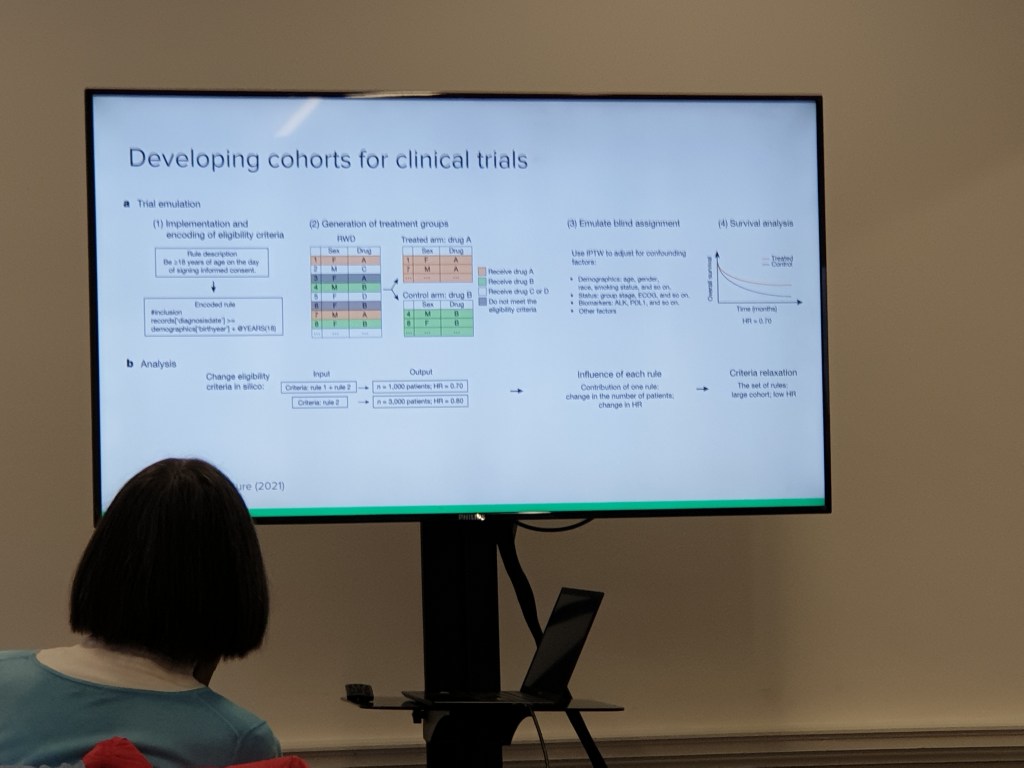
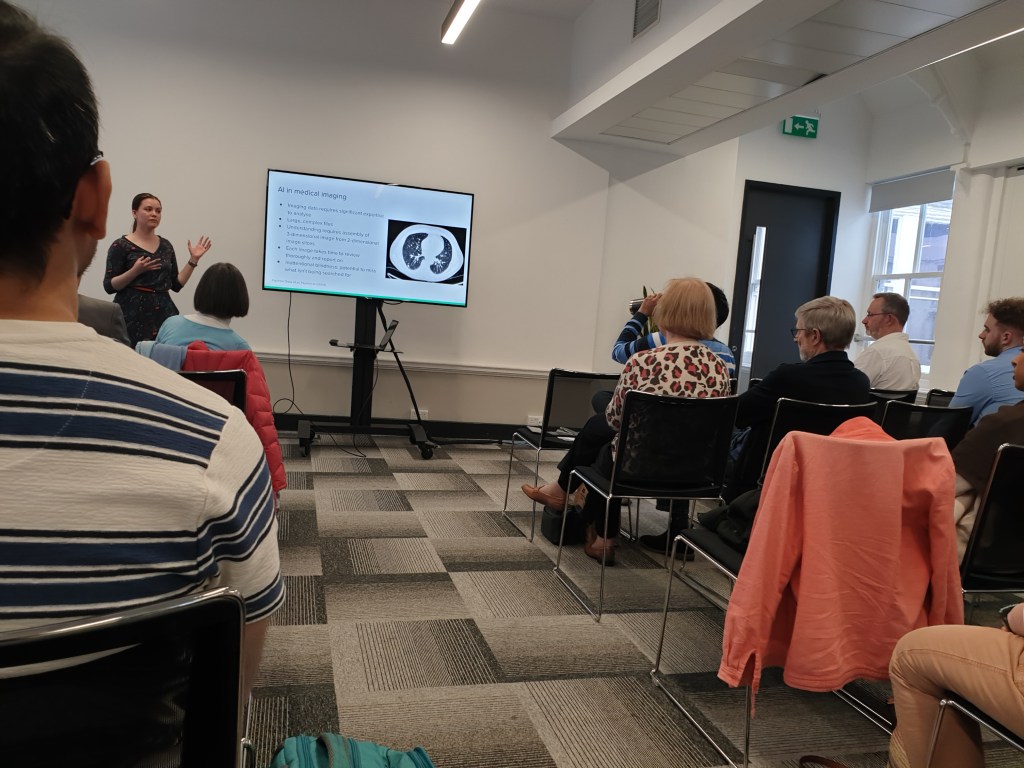
“AI has been used extensively in medical diagnostics for at least a decade, offering huge power in its ability to process complex patient records to suggest diagnoses to their physicians based on new symptoms, or to identify patterns of disease for research across many patients with the same conditions. The development of image recognition algorithms has enabled rapid diagnostics from medical scans and photographs, used widely in identification of potential malignancy ahead of human review.
However, there are also serious concerns regarding the application of AI in health research, such as the development of generative AI models frequently requires ingestion of patient data into the model, bringing privacy considerations. The potential for removal of the doctor from much of medical interaction brings concern for the automation of the doctor-patient relationship, without genuine understanding of the patient as a whole human or wider knowledge of their symptoms.”
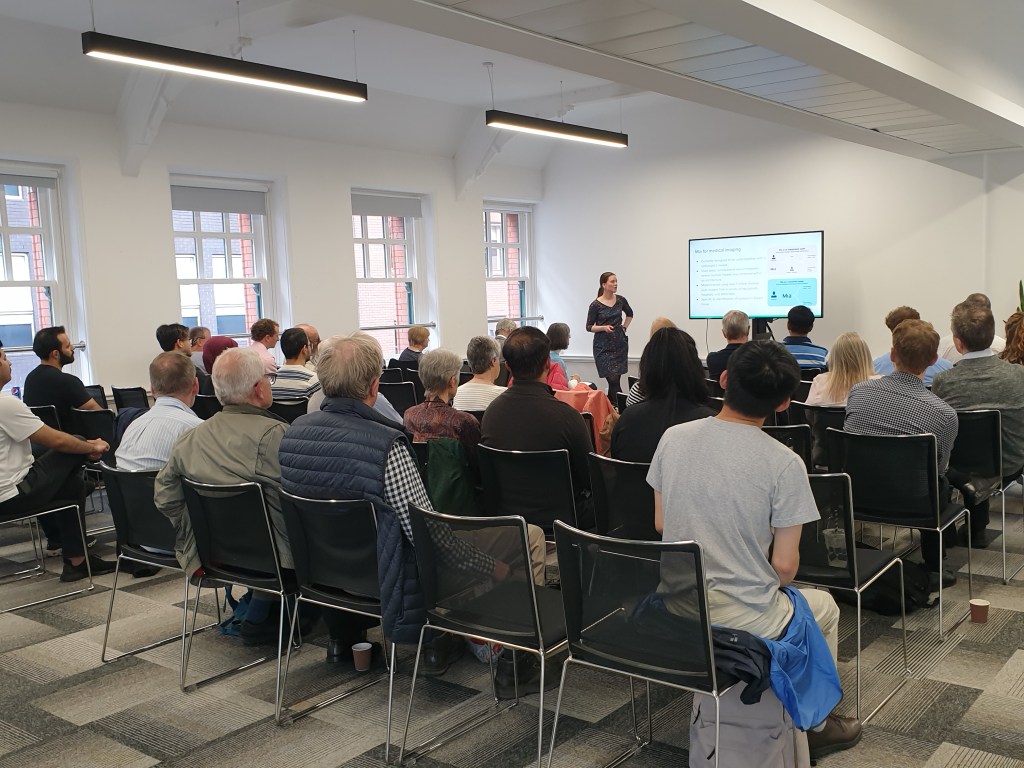
This talk gathered a large group of MSS members and guests. We listened with great interest to the history of AI applications in Health and Medicine, getting to know, among others, possibilities of MYCIN, CASNET, DXplain, DeepQA, MANDY and the use of completely modern AI tools, learning about their strengths and weaknesses.
Summary
- AI has been part of healthcare for over 50 years
- Recent advances have increased the power of AI to bring substantial change in
diverse health and medical fields, including imaging and diagnostics - Newer AI algorithms bring significant real concerns regarding data security and
privacy for confidential data - Poorly trained or poorly applied AI can be a negative for doctors and patients
- Understanding of AI technologies increases everyone’s power to advocate for their
own health and wellbeing


 Manchester Statistical Society