
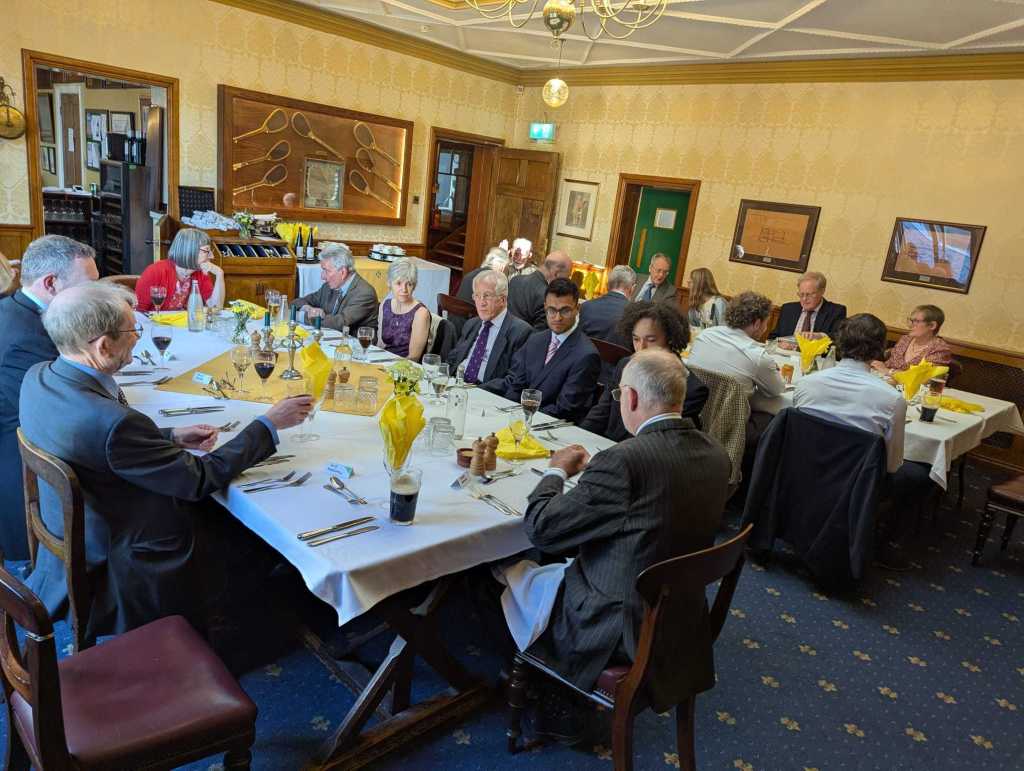
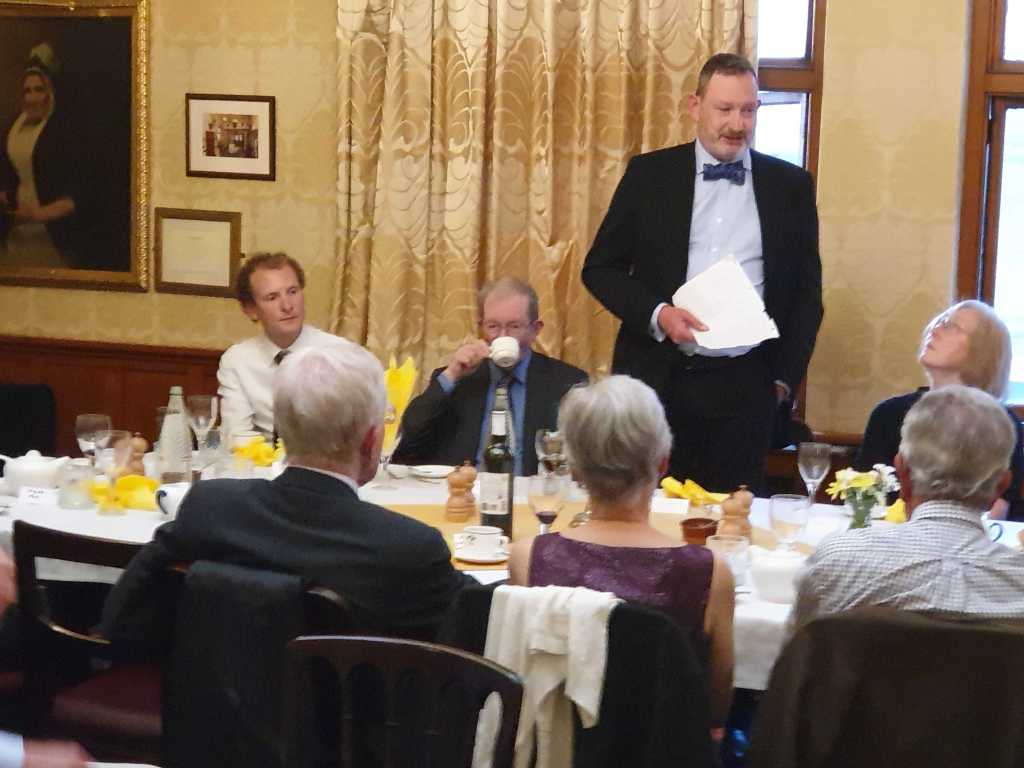
On May 13, members of the Manchester Statistical Society gathered at the Manchester Tennis and Racquet Club for this year’s Annual General Meeting, a warm and collegial occasion reflecting both the enduring legacy and forward momentum of one of the UK’s oldest learned societies.
After strawberries and cream, the meeting opened with the usual formalities, including the approval of last year’s minutes and the noting of apologies from a number of dedicated but absent members. It quickly turned into a rich reflection on a year of activity across both our traditional speaker programme and the newer AI Study Group sessions, which continue to draw wide interest from within and beyond our membership.
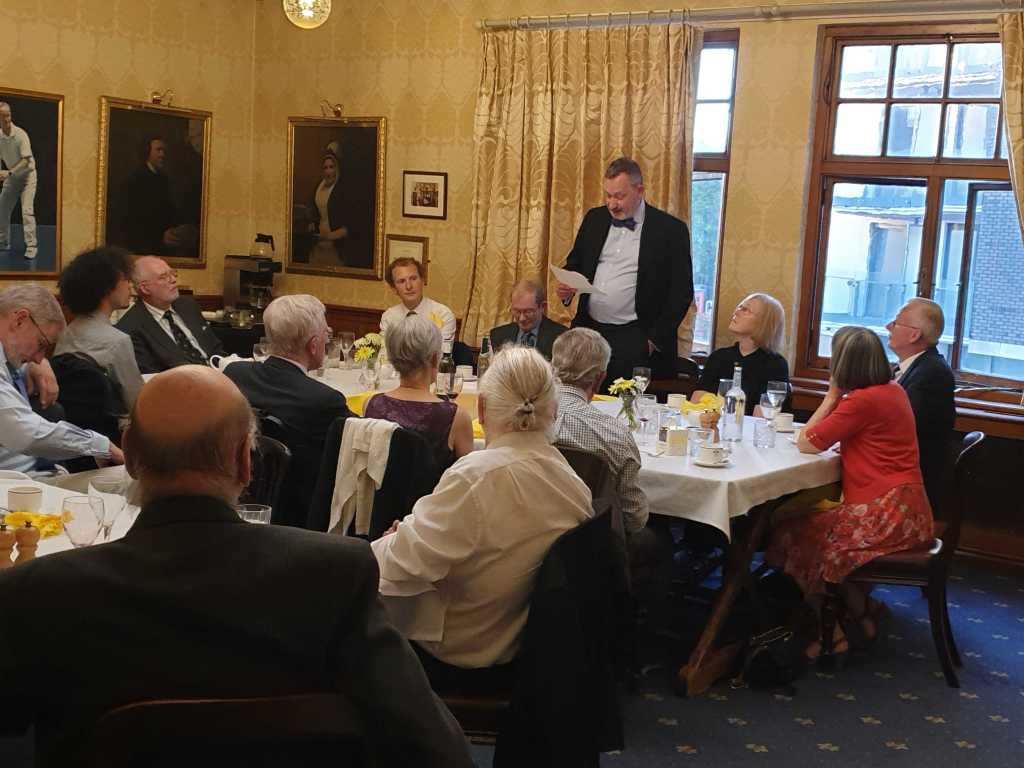
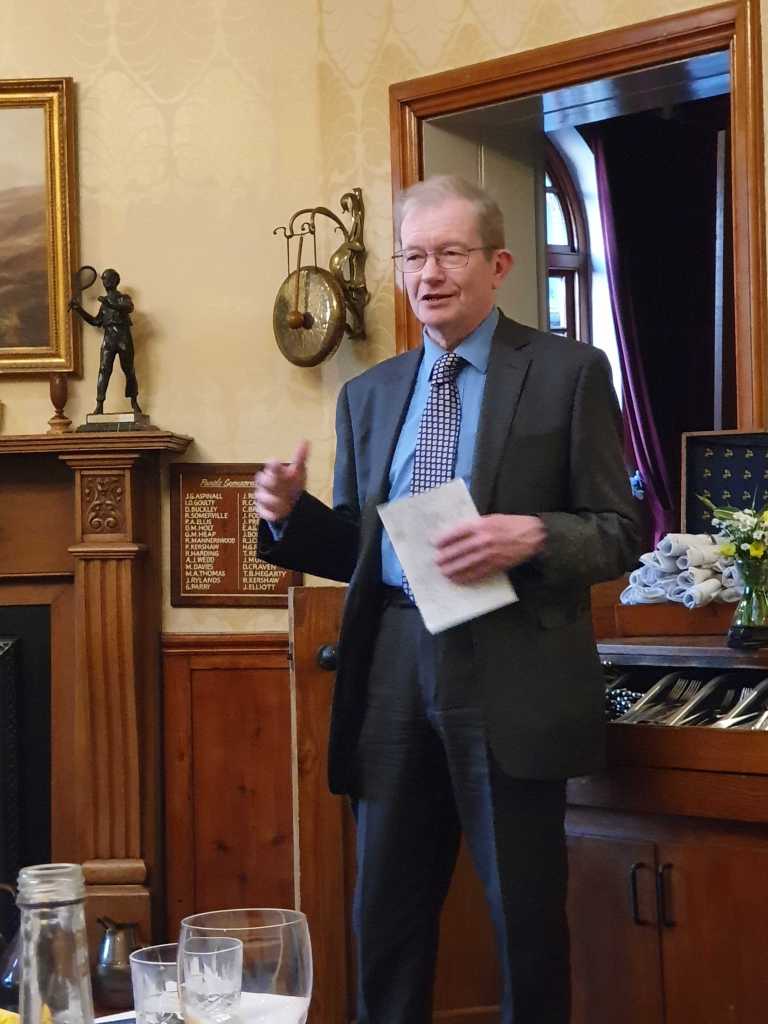
Outgoing President Philip Hulme presented a comprehensive report, highlighting six well-attended ordinary meetings alongside a full AI Study Group calendar — twelve events in total. Even with one last-minute cancellation, the Society adapted swiftly to deliver a consistent stream of high-quality content. Hulme also acknowledged the challenges of maintaining dinner club attendance in a cost-inflation environment, noting the likelihood of modest price increases to ensure its sustainability. His thanks extended to several individuals for their contributions across committees and events — a generous nod to the team spirit that underpins the Society’s enduring success.
A particularly engaged discussion arose during the Treasurer’s report, also delivered by Hulme. While costs have risen (particularly venue costs and those associated with the AI programme), so has income, partly thanks to dividend returns from the Campion Fund and previous grants. Members raised thoughtful questions around the Society’s finances, including the potential for VAT waivers, Gift Aid eligibility, and the Society’s strategy for engaging visitors and converting them into members. Notably, several members praised the AI Study Group as a vital new pathway for recruitment and visibility, aligning with the Society’s charitable purpose of public education.
There was also a forward-looking spirit when it came to the future programme. Guy Marshall presented a brief update on the 2025–26 event calendar, explaining that it had been shaped collaboratively by Council, and inviting further suggestions ahead of the November planning session. Topics such as national statistical services were proposed — a timely and relevant theme in an era of evolving data governance.
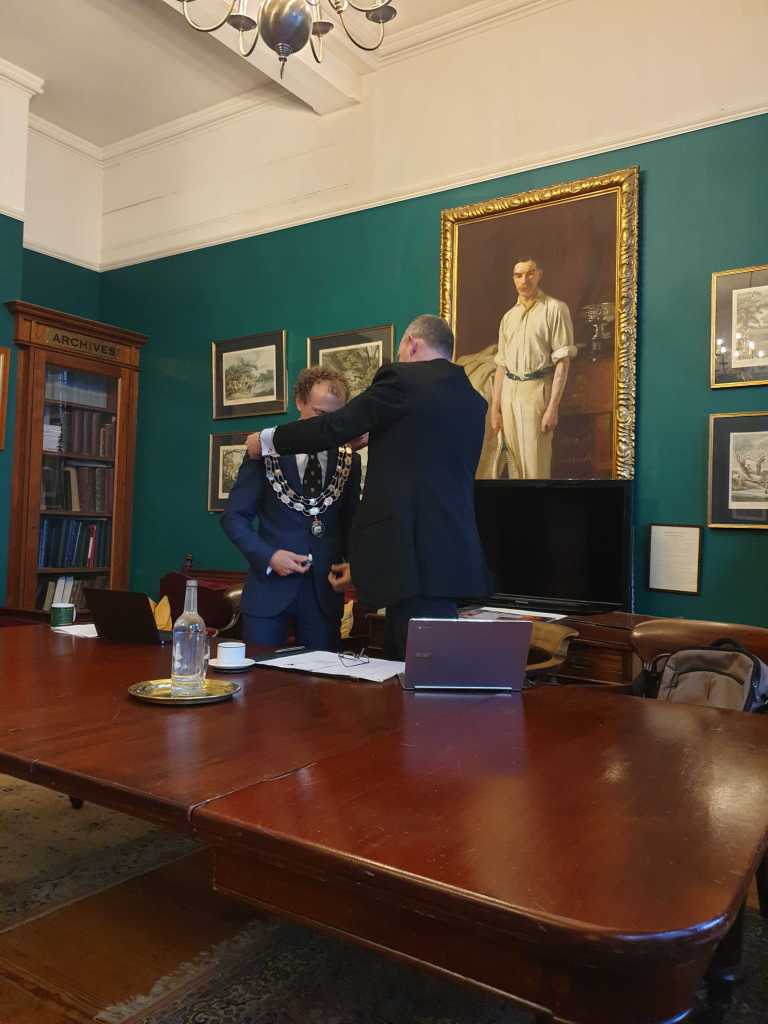
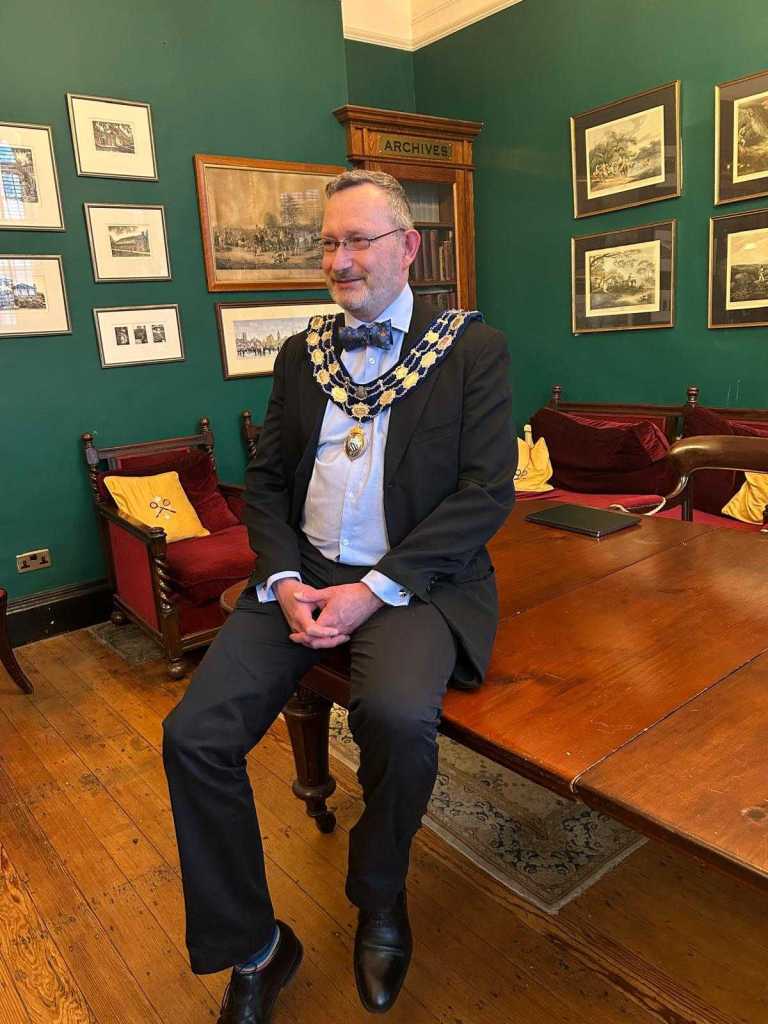
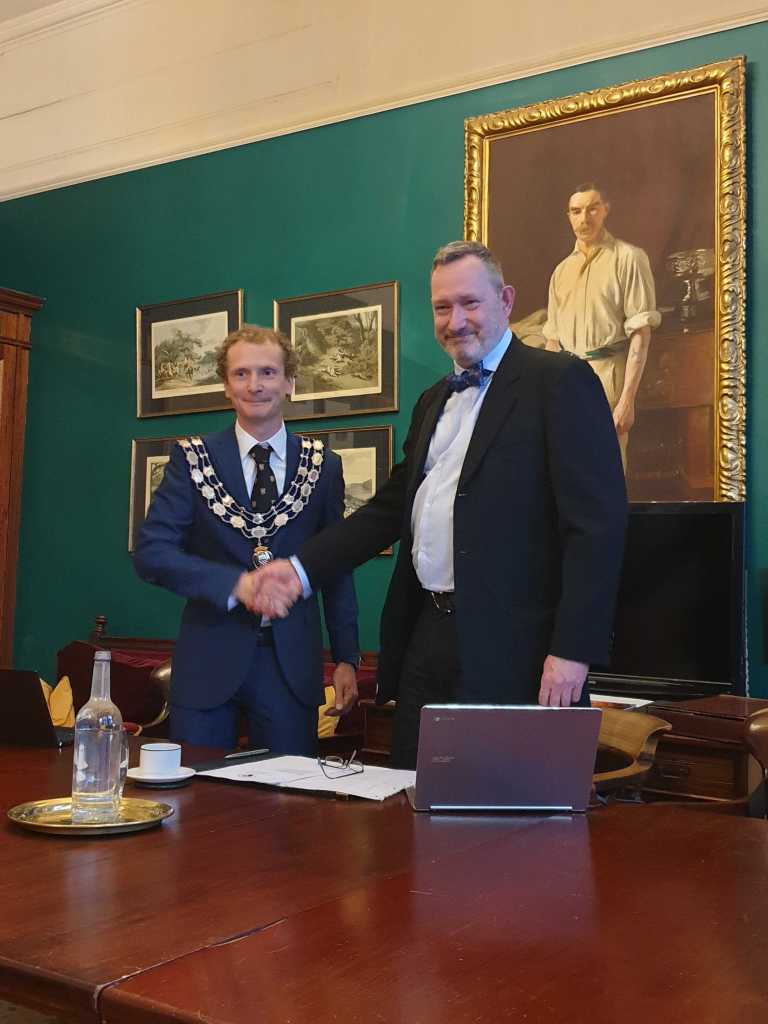
The AGM culminated in the formal election of officers and Council members for 2025–26. Guy Marshall was confirmed as the incoming President, with broad support and warm applause. The slate, which also included returning and new Council members such as Krystyna Ambroch, Jack Hogan, and Robert Bragg, was proposed and seconded, and approved unanimously by those present.
If the tone of the meeting reflected continuity and gratitude, there was also a palpable sense of generational renewal. Past President Richard Harrington expressed appreciation for Hulme’s steady hand as President and his active support of new initiatives. As Ambroch noted, Hulme’s consistent presence at AI Study Group meetings was important to the society and a strong signal of leadership through participation.
This sense of positive transition carried over into the Special General Meeting held just prior to the AGM, where updated Society rules were presented and approved unanimously — “eminently sensible,” in the words of one member. The changes aim to streamline governance while staying true to the Society’s historic values.
As the Society looks ahead, its continued evolution under new leadership seems assured. At the time of writing, Council have agreed to trial monthly online Council meetings to increase the pace of decision-making as before the next session commences in October. The coming year will bring new opportunities to engage a wider audience, deepen intellectual community, and strengthen the Society’s financial and institutional foundations. For those looking to contribute to a vibrant local forum on data, public understanding, and social impact, Manchester Statistical Society remains a rewarding place to do so.

 Manchester Statistical Society