
Date: 21 October 2025
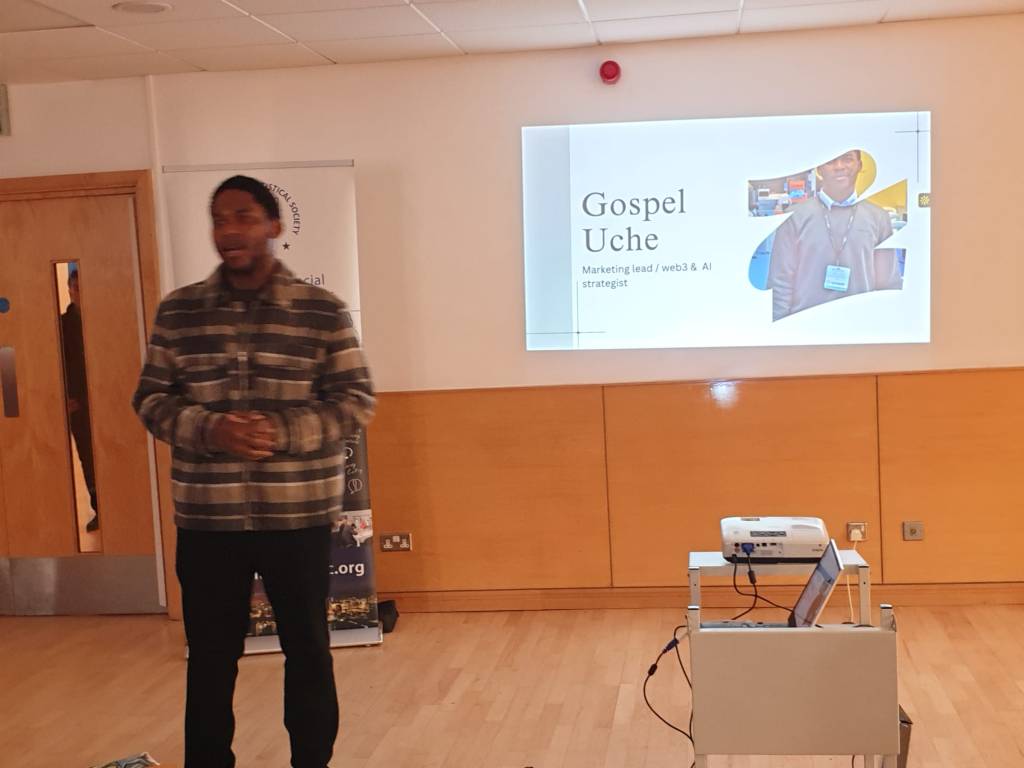
Speaker: Gospel Uche
Role: Marketing Lead and Web3/AI Strategist
Talk Title: Unlocking Potential in an AI & Web3-Driven World
Overview
Gospel Uche explored how artificial intelligence (AI) and Web3 technologies can be combined to create transparent, participatory, trust-driven ecosystems. He described AI as the intelligence layer—enabling prediction, automation, and personalisation—and Web3 as the ownership layer—bringing transparency, incentives, and community governance. He argued that the most effective systems turn users into active participants rather than passive consumers.
Key Points
Uche outlined five strategic “plays” for driving growth and trust in AI/Web3 projects:
- Make operations the marketing by using measurable performance data.
- Design for participation before introducing tokens, prioritising community rituals and meaningful ownership.
- Empower developers with no-code tools and ecosystem rewards.
- Reduce friction in payments and access with seamless, reliable experiences.
- Tell verifiable stories using open data and transparent metrics.
Case Studies
Bee Network x CitySwift (Manchester):
AI was used to optimise public transport routes, improving punctuality and patronage. Transparent data and frictionless payments turned operational reliability into proof of value.
Kasagi Labo:
An anime-focused venture studio showing how cultural alignment, community participation, and collaboration among fans, creators, and IP owners can drive scalable growth.
Akasha DAO:
Demonstrated how community governance and no-code tools can democratise the creation of AI agents, aligning incentives through tokens and shared narratives.
Conclusion
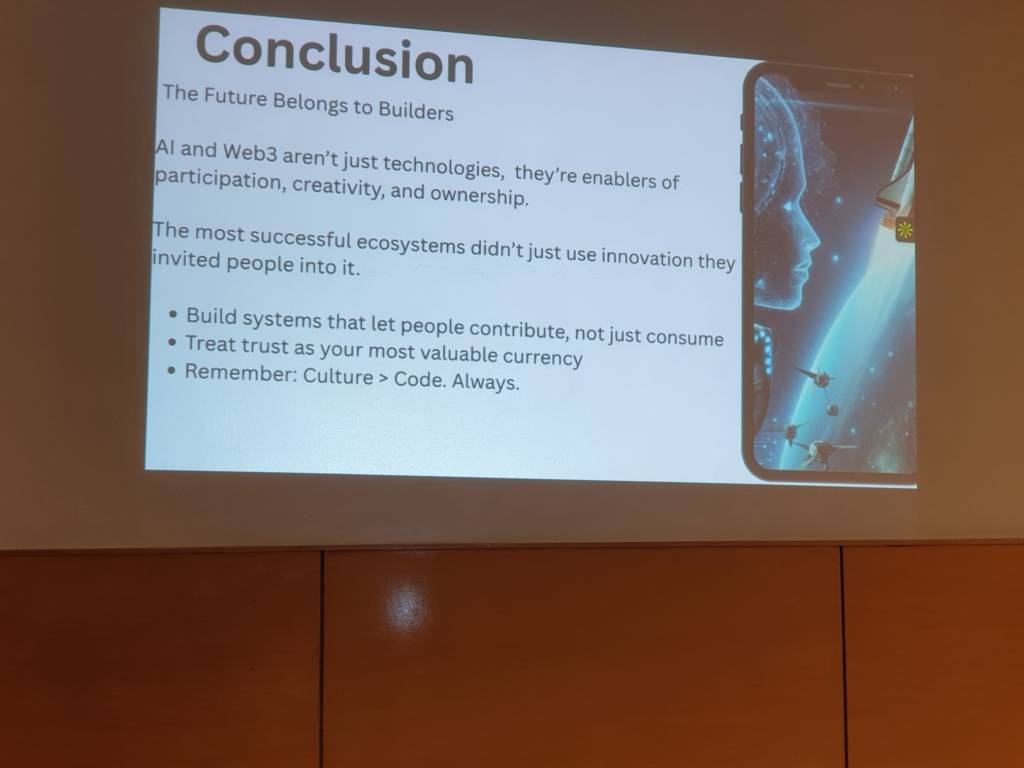
Uche emphasised that AI and Web3 are not just technological advancements but enablers of creativity, participation, and trust. The future, he stressed, belongs to builders who encourage co-creation, proving value through transparency and shared ownership. His closing message captured this idea clearly: “Culture > Code. Build systems that let people contribute, not just consume.”
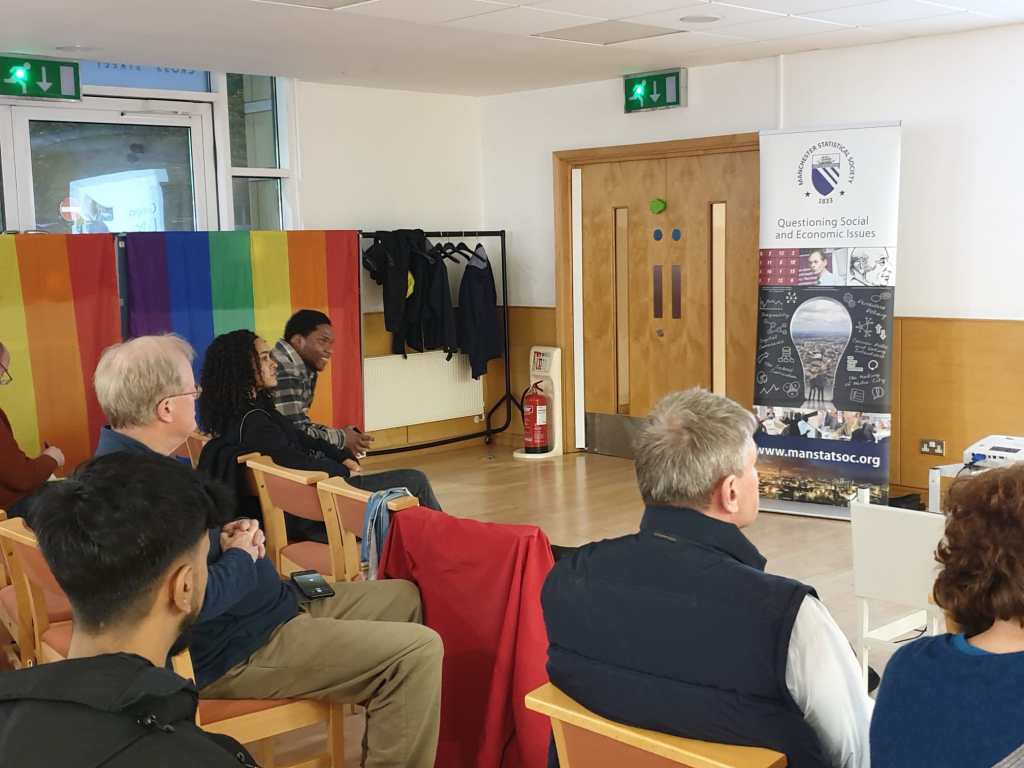
The group found his talk very informative.

 Manchester Statistical Society