
MSS AI Study Group Meeting on 18 November 2025
Part 1. Dr. Guy Marshall introduces HAILIE
Summary
Dr. Guy Marshall sets the scene by explaining why HAILIE (the Housing AI Leadership and Implementation Exchange) was created: to give housing professionals a no-sales forum to move beyond hype and work together on the practical realities of AI, including providers, vendors and consultants. He frames AI not as a future bolt-on, but as an operating model shift that will reshape repairs, customer engagement, asset management, and back-office processes over the coming decade. Marshall notes that while many boards feel pressure to “have an AI strategy,” most organisations are still experimenting in silos, with limited governance, fragmented data, and little shared learning. Part of how he sees this happening is through tenant co-design leveraging Generative AI and “Vibe Coding”.
He outlines HAILIE’s core aims: to connect decision-makers facing similar constraints, surface real case studies (good and bad), and build a common language, evidence and shared resources around delivery, tech, digital, risk, ethics, and data foundations. Part of that involves tooling like that demonstrated by Tom in Part 2.
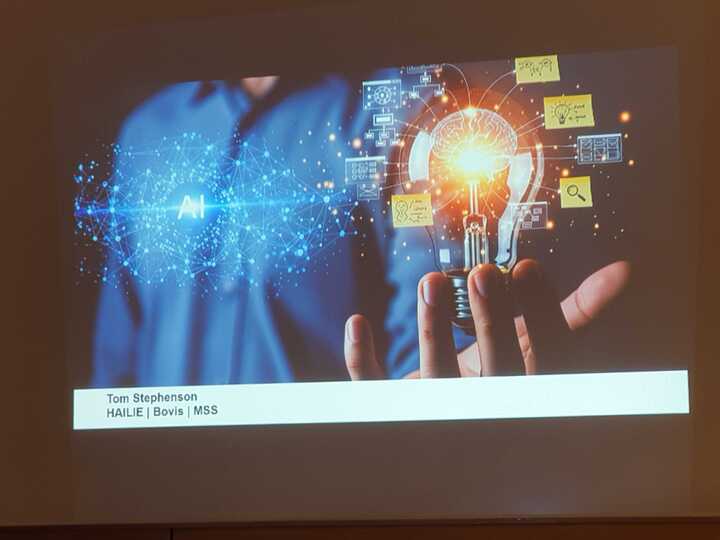
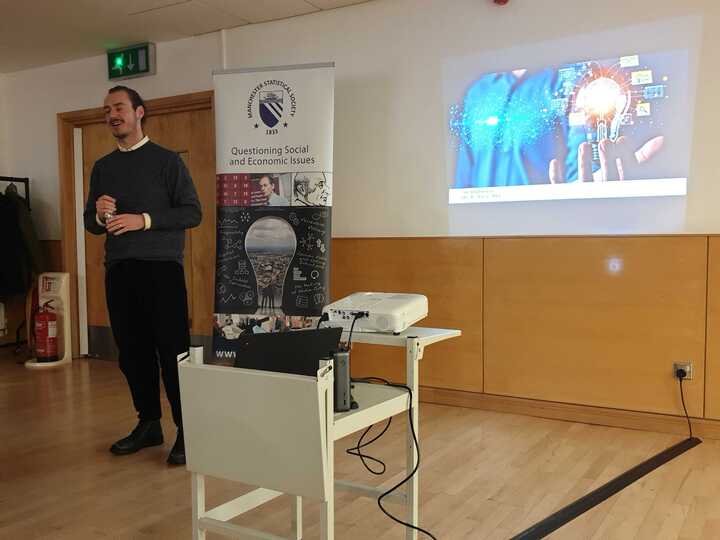
Part 2. The Power of a Systematic Approach to AI Tools, by Tom Stephenson
Summary
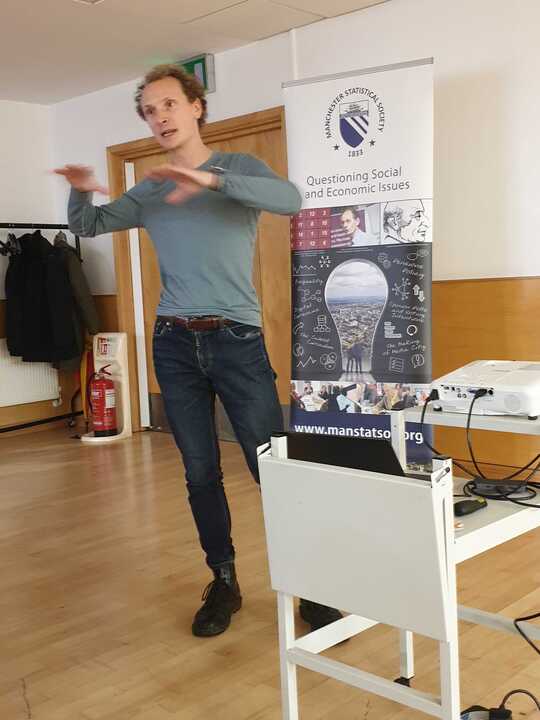
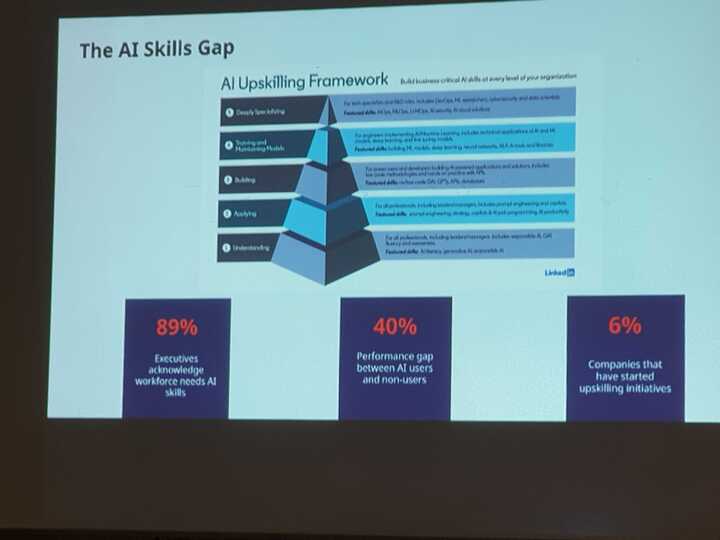
Tom Stephenson’s talk outlines a systematic approach to “Vibe Coding” within the UK public housing sector, showing how natural-language-driven AI development can lower barriers to building useful tools. He highlights persistent challenges to AI adoption—including a major skills gap, data quality and access issues, unclear ROI, and cultural resistance—and argues that structured planning is essential for success. Stephenson explains that Vibe Coding enables developers to describe goals in plain language while AI generates and iteratively refines code, accelerating development and reducing technical debt. However, he cautions against over-reliance on AI and stresses the need for human oversight, security awareness, and sound data governance. He presents an AI adoption roadmap from exploration to optimisation, demonstrating that robust applications can be created even with basic systems knowledge. The talk concludes that upskilling, thoughtful workflow design, and a strong organisational culture are key to effective and responsible AI use.
 Manchester Statistical Society