
AI Transformation in the Real World: What I’ve Learned Leading at Scale
Rebecca Fox
At our January 2026 meeting, the MSS AI Study Group welcomed Rebecca Fox, an experienced technology and transformation leader with over two decades at executive level across large, global organisations.
Drawing on her time leading complex technology estates — most recently as Group CIO of a Manchester-headquartered global cyber security and resilience business — Rebecca offered a grounded, candid perspective on what AI transformation actually looks like inside real organisations.
Rather than focusing on tools, proofs of concept, or vendor promises, the talk explored how AI collides with organisational reality: legacy systems, fragmented data, informal processes, regulatory constraints, and change-fatigued teams. Rebecca argued that while AI is often framed as a revolutionary technology wave, it is being deployed into environments that are already strained — and that context fundamentally shapes outcomes.
A central theme of the talk was that AI transformation is not a technical challenge, but a leadership and operating-model challenge. Unlike traditional software, AI systems are probabilistic and evolving. When that unpredictability is layered onto weak processes and unclear ownership, risk increases rather than decreases. AI, Rebecca stressed, does not fix poor foundations — it amplifies them.
The discussion distinguished between two dominant patterns of AI use currently seen in organisations. The first is personal productivity: copilots, assistants, summarisation, and drafting tools that deliver fast, low-risk value at an individual level. The second — and far more difficult — is embedding AI directly into business processes and decision-making. This is where the greatest value lies, but also where many organisations are least prepared, lacking the data quality, governance, and clarity of ways of working required to succeed.
Rebecca also explored the commercial realities shaping AI adoption. Many organisations are already deeply locked into cloud and SaaS platforms that enabled scale but now carry rising costs and limited flexibility. As AI is layered into these platforms, leaders face growing uncertainty around long-term value, cost control, and vendor dependency — with implications for both customers and suppliers as application-centric models are challenged.
The talk concluded with a clear message: doing nothing is not an option, but neither is rushing ahead without discipline and honesty. Organisations that succeed with AI will be those that treat it as a long-term capability, redesign processes before automating them, invest in strong data foundations, and lead people through change with transparency and intent.
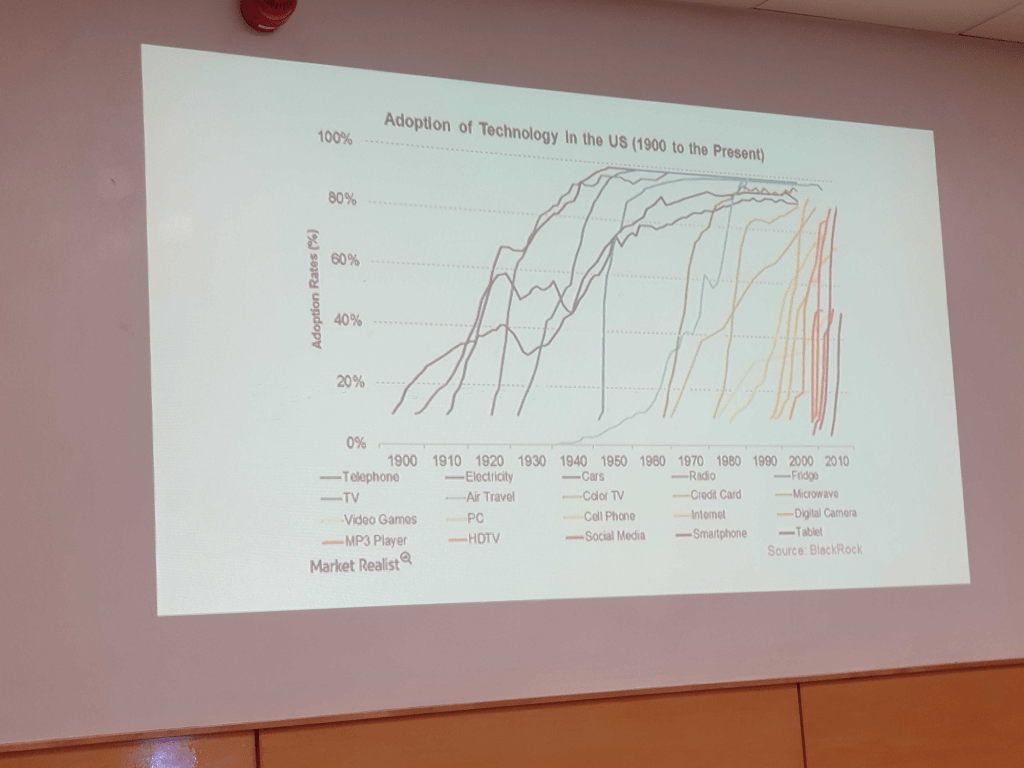
AI may transform organisations faster than any previous technology wave — but whether it creates lasting advantage or simply the next generation of technical debt will depend far less on the technology itself, and far more on leadership.



 Manchester Statistical Society